
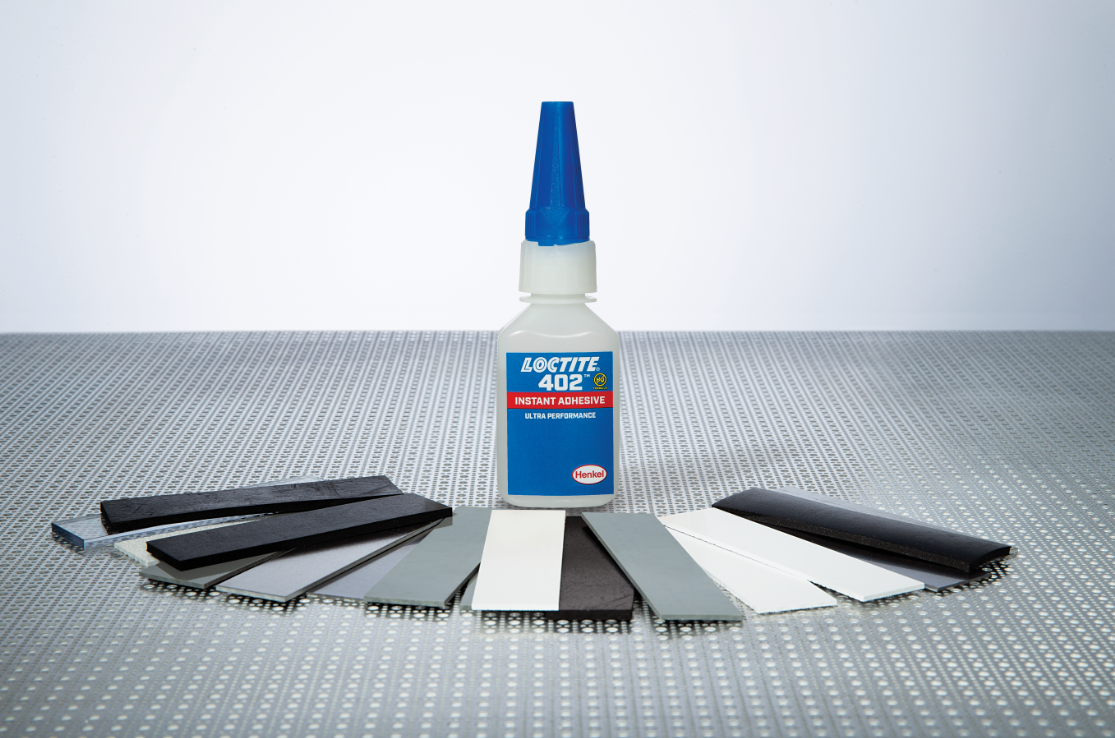
When it comes to bonding materials, especially for home repairs or DIY projects, Loctite is often one of the go-to adhesives. Known for its strong and durable bonding properties, Loctite offers solutions for everything from metal to rubber and even plastic. But a common question that arises is: Will Loctite work on plastic? The answer depends on the type of plastic you're working with and the specific Loctite product you choose.
Understanding Loctite and Its Uses
Loctite is a brand known for its wide range of adhesive products, including super glues, threadlockers, and epoxy adhesives. These products are formulated to bond materials that are otherwise difficult to stick together. Some types of Loctite are specifically designed for plastic, while others work better with metals or ceramics.
Does Loctite Work on Plastic?
The short answer is yes—Loctite can work on plastic, but not all plastics are the same. Plastics come in various forms, and some are more difficult to bond than others. For example, materials like polyethylene (PE) and polypropylene (PP) are notoriously hard to glue due to their low surface energy. These plastics are commonly used in containers, packaging, and automotive components, and require a specialized adhesive or surface preparation.
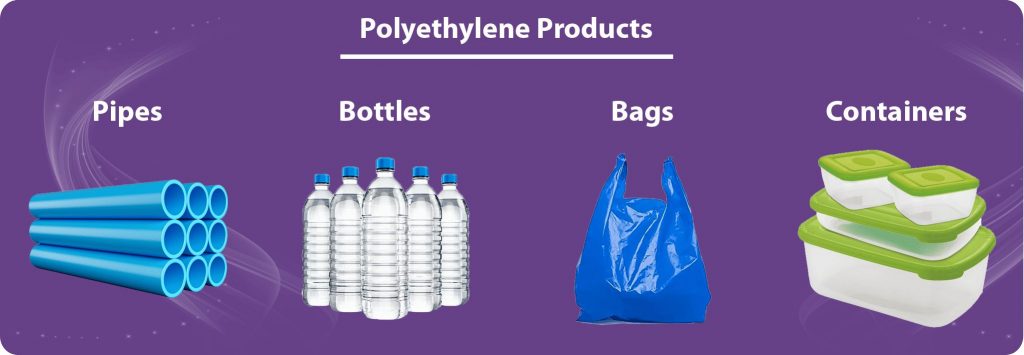
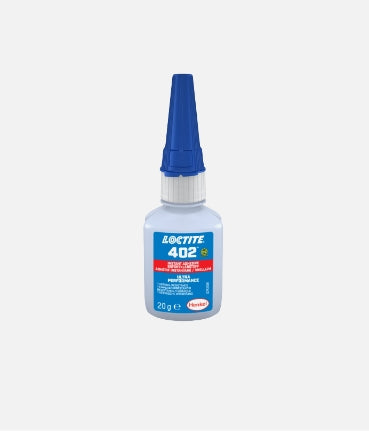
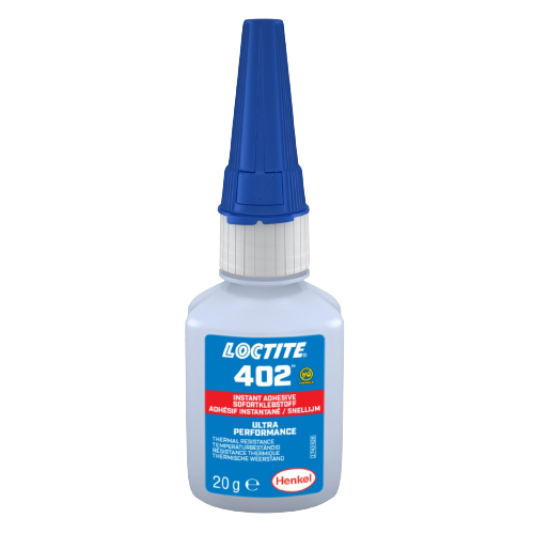
Loctite has developed formulas specifically for bonding these challenging plastics. For general plastics, Loctite’s cyanoacrylate instant adhesives offer strong, quick-setting bonds. For hard-to-bond plastics, additional primers or activators may be necessary.
Types of Loctite for Plastic Bonding
-
Loctite Super Glue
This is the go-to product for most types of plastic, especially when you need a quick and strong bond. Loctite Super Glue works well on materials like PVC, ABS, polystyrene, and other common household plastics. -
Loctite Epoxy
If you're working with larger plastic parts or need a more heavy-duty solution, Loctite Epoxy is a great choice. It offers a durable, long-lasting bond and can be used on a variety of materials, including plastic.
Using Loctite 770 Primer for Hard-to-Bond Plastics
One of the most effective solutions for bonding low-surface-energy plastics is Loctite 770 Primer. This product is specifically formulated to prepare difficult plastics so they can bond properly with cyanoacrylate (super glue) adhesives.
What Loctite 770 Primer Does:
- It modifies the surface chemistry of plastics like polyethylene, polypropylene, PTFE, and certain thermoplastic elastomers.
- It improves the adhesion of standard Loctite instant adhesives, allowing them to create stronger, more reliable bonds.
- It makes it possible to bond plastics that normally resist even high-performance glues.
How to Use It:
- Clean the plastic surface to remove oil, dust, or residue.
- Apply a small amount of Loctite 770 Primer to the area being bonded.
- Allow it to dry completely—usually just a few seconds.
- Apply the Loctite cyanoacrylate adhesive as usual.
Using Loctite 770 Primer is especially helpful for DIY repairs involving plastic containers, automotive parts, outdoor gear, and other items made from difficult plastics.
Tips for Using Loctite on Plastic
- Surface Preparation: Clean the plastic thoroughly before applying adhesive.
- Test Compatibility: Always perform a small patch test before applying glue to the full surface.
- Allow Proper Curing Time: Some adhesives set within seconds while others require hours.
- Use Primers for Best Results: For hard-to-bond plastics, Loctite 770 Primer can dramatically improve adhesion.
FAQs About Loctite and Plastic
1. Will Loctite work on all types of plastic?
No. Hard-to-bond plastics like polyethylene and polypropylene require specialized products such as Loctite 770 Primer used with cyanoacrylate adhesives.
2. Can Loctite super glue bond polyethylene plastic?
Standard super glue struggles on polyethylene. Using Loctite 770 Primer first gives the best results.
3. How long does Loctite take to dry on plastic?
Most cyanoacrylates set in 10–30 seconds, while epoxies may take several hours to cure.
4. Is Loctite safe to use on plastic in a food-related environment?
Most Loctite products are not intended for surfaces that have direct contact with food. Always check the safety guidelines.
Leave a comment
All comments are moderated before being published.
This site is protected by reCAPTCHA and the Google Privacy Policy and Terms of Service apply.